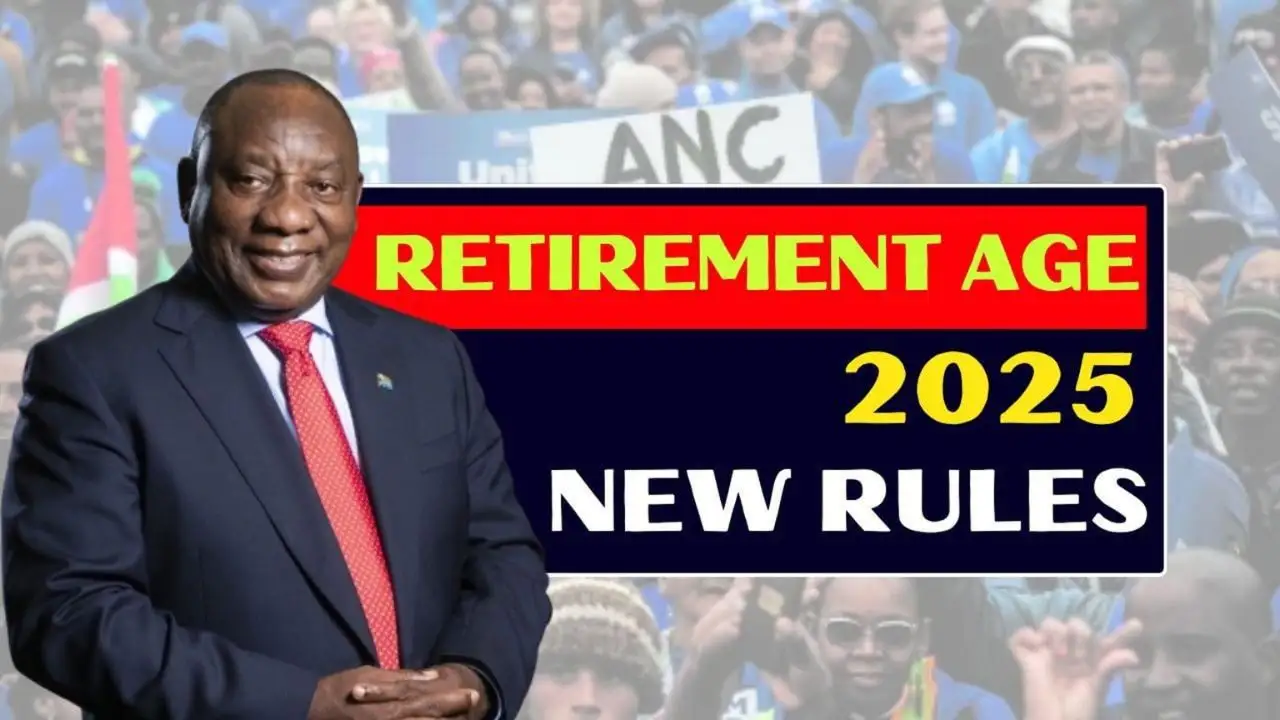
Changes in retirement age continue to make headlines as key policies are being reviewed to match our longer-life span and global economic strains. These changes may impact when a person may retire, when they become eligible for their pensions, as well as when they begin to receive retirement benefits. It is important for current workers and those near retirement to understand how these rules are changing when it comes to retirement age.
Why are Retirement Age Policies Changing?
There is growing interest, in terms of a changing global environment, including changes in life expectancy and increasing pension costs, to revisit government retirement program development. As we live longer, pension systems must provide for beneficiaries for longer periods. Raising retirement age provides an avenue for the government to deliver monetary benefits from pensions by extending the working period at the later stage of a person’s life.
How Do Retirement Age Changes Matter for Workers?
For working individuals, changes in or the possibility of increasing retirement age before full retirement benefits become available may be a significant force besides all other factors that influence their career planning, saving behaviors, and long-term financial goals. One important group of workers could voluntarily seek employment beyond their retirement, whereas another group will be expected to adjust to the new eligibility timelines.
Impacts on Current Retirees
Changes in retirement age generally do not affect those individuals already retired. These pensioners continue with their pensions in accordance with the original rules. However, some changes could directly affect benefit adjustments in the future and also other ones with regard to eligibility for certain programs to assist them.
Early Retirement and Flexible Options
Some schemes offer early retirement or flexible retirement options, These programs, however, often provide reduced benefits. “Your choice, your say” designs tend to provide a flexible way of working where one
only performs some work and at the same time enjoys some fraction of the
benefits.
Planning for Retirement in a Modified Scenario
Financial planning becomes all the more critical in the light of shifting
retirement ages. People are urged to examine their savings and investments as well as the assessed income likely to accrue from their pensions. DEO acting on the advice of financial expert and keeping account of the policy changes that might take place, should enable individuals to make better-informed decisions that obviate any surprises.
Social and Economic Considerations
However, changes to the retirement age also shift beyond mere exclusive concerns to encompass social and economic ramifications. Increased working years could lead to a rise in economic productivity and alleviate the burden on the pension systems. But at the same time, such a policy must also address the availability of jobs, health conditions, and equity across professions.
Concluding Thoughts
Every change in retirement age is a reflection of changing economic and demographic contexts that are felt throughout the world day in and day out. Once these changes are understood and incorporated into personal planning, one will still have half a fighting chance to successfully prepare for retirement and maintain financial security with some degree of security.